

Let’s get it out in the open now: I love an em dash.
I love them so much that I used to use them everywhere. Back then, it was a kind of laziness, wanting things to sound deeper than they were, not having the tools to reach true depth of thought and instead relying on punctuation to deliver a cheaper kind of gravity. Now, thanks mostly to Sam Altman, my relationship with the em dash is far more complicated.
Let’s unpack this weighty little punctuation mark for a minute.
The em dash is a handy device. It’s designed to offset, to dramatise, to make sure people pay attention. To that end, it must be used sparingly. Use something too often, no matter how effective, and it loses all effect.
Someone tell that to ChatGPT.
I thought I loved the em dash, but no one loves the em dash like ChatGPT.
By the beginning of 2023, this sacred punctuation mark was everywhere. The em dash became a ‘surefire sign’ that something was written by ChatGPT. Of course this was nonsense. It was a way for non-writers, who had never before heard of an em dash, to claim they could tell something was written by AI. They’d discovered the secret! (I saw one person on LinkedIn claiming they’d never seen one before ChatGPT. Tell me you’ve never read a book in your life…) Meanwhile, those who had previously read a book in their life could tell something was generated by AI, dashes or no dashes, because it was completely and utterly lifeless.
Ultimately, I’m not interested in whether or not an em dash is a ‘giveaway’ for AI. I’m more interested in how ChatGPT’s overuse of em dashes is a ‘giveaway’ for the kind of content that existed before it did — the content it was trained on — and what this tells us about the world we live in.
ChatGPT doesn’t so much use them as abuse them. It feels as though every sentence is being hammed up for dramatic effect, a bit like the single-line LinkedIn ‘broetry’ or YouTube thumbnails that constantly try to outdo each other with how wide their mouths can open in shock.
That’s what all of these things do, though. They dramatise style to mask the complete lack of substance contained within. If something is legitimately shocking, you don’t need to say that it is. If it’s deeply insightful, it doesn’t need to be packaged in em dashes. It will register regardless.
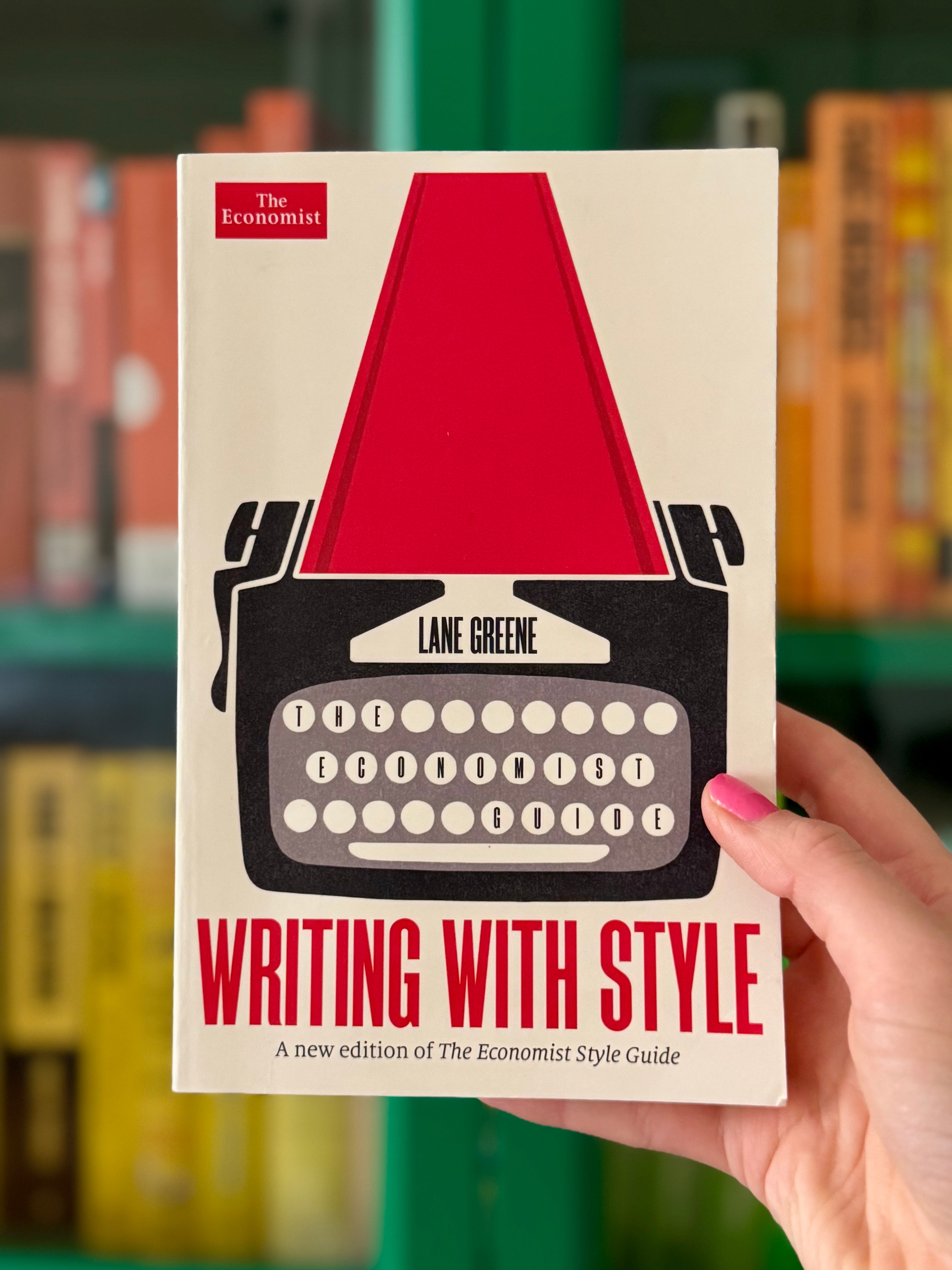
Here is The Economist Style Guide (a publication used to writing about serious issues) on em dashes:
“This attention-grabbing device should be saved for when there is something truly worthy of attention.”
Tell me: is anything ChatGPT can write truly worthy of attention?
But you don’t need another writer on Substack whining about the enshittification (em-shittification?) of the written word catalysed by ChatGPT. Are there bigger things to worry about than em dashes? Of course. But can something as small as the em dash teach us about those bigger things? Also yes.
If reading an article by ChatGPT feels like a constant dramatisation of something that is really not all that dramatic or insightful, then modern climate comms feel much the same. Like being hit over the head continually by doom and gloom, by shame, by anger, by despair.
Every statistic is “breathtaking,” every figure is “whopping,” every next stage is a “collapse” or an “emergency” or the “end of life as we know it.”
“It can’t be that climate change is the single most important issue facing the world, with our entire species at risk, and drilling licenses need to continue. It can’t be that innocent Palestinians have faced unbearable suffering and we care very deeply about their plight, and absolutely nothing will stop the arming of the nation responsible. It can’t be both rhetorical urgency and policymaking impotence.”
— Omar El Akkad
Look, there are real emergencies going on — climate and non-climate. But if everything is a disaster, then nothing really is. And if we can read headlines full of urgency but still wake up the next day and buy groceries or watch Netflix… at what point does the rhetoric become background noise?
We are, after all, only human. We only have space for so much anxiety, so much compassion. Try to make us care about everything and we will tune out entirely.
My advice: keep it level-headed. Put things in context. If you do need to get dramatic, pair drama with actionable avenues so people don’t feel so paralysed. Your campaigns will be more effective, and your readers won’t be pushed one step closer to the mental and emotional brink.
Bonus feature

If you’re a marketer in the clean energy space, this one’s for you! This week, we’re profiling our friends over at Amp Your Story, a community built specifically for marketers in the clean energy space.
Amp Your Story amplifies the clean energy transition through a network of connected marketers and communicators who can lean on each other to build community, test new ideas, learn, explore, and gain confidence from a trusted community globally.
What we’re curious about this week
📚 Book: One Day, Everyone Will Have Always Been Against This, by Omar El Akkad
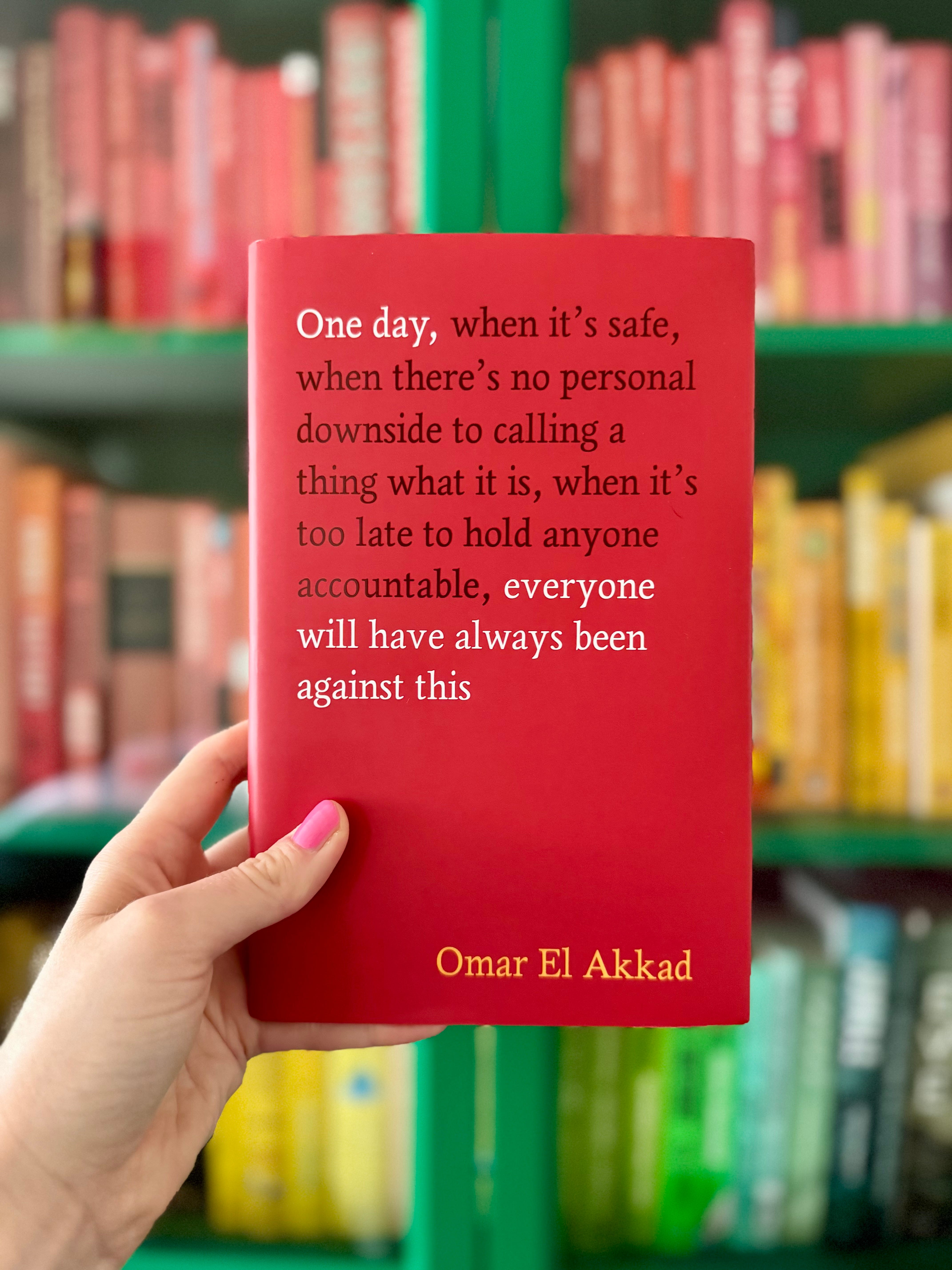
I thought this book was going to be a broader, more historical stocktake of the supposedly long but bending moral arc of the universe. It’s narrower than I thought, but also far more personal and haunting. Highly, highly recommend.
🎙️ Podcast: China is Run by Engineers. America is Run by Lawyers.
A fascinating and oddly personal take on the differences between China and America, by someone with a unique vantage point on both.
Ways we can help 🫶
🎯 Need help building an organic lead-generating machine? → See our lead gen services
📥 Want to know what’s trending in the world of sustainability reporting? → Download our free PDF: 2025 State of Sustainability Reporting
📣 Share this with your climate tech marketing team